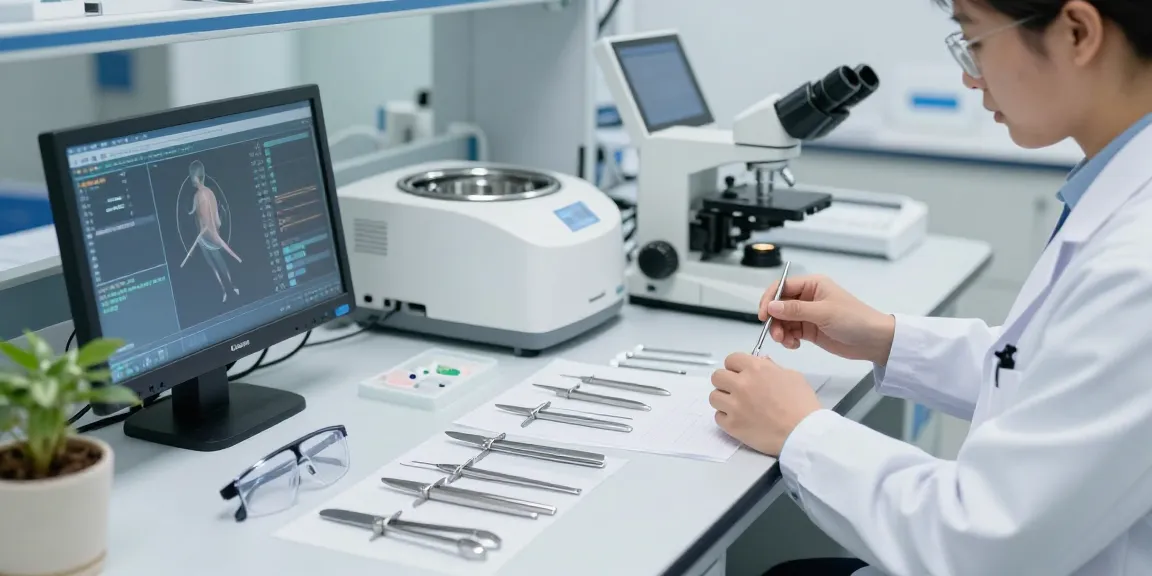
Understanding the Role of Medical Instruments in Patient Care
Medical instruments play a critical role in modern healthcare, serving as essential tools that enhance diagnosis, treatment, and patient management. In an era where healthcare continues to evolve, the quality and functionality of these instruments are paramount for improving patient outcomes. When exploring options, Medical Instruments provide comprehensive insights that can greatly assist healthcare professionals in selecting the right tools for their facilities.
What are Medical Instruments and Their Types?
Medical instruments comprise a vast array of tools designed to assist healthcare providers in various settings. These instruments can be classified into several categories:
- Diagnostic Instruments: Used to diagnose patients, these include stethoscopes, otoscopes, and blood pressure monitors.
- Therapeutic Instruments: These instruments aid in treatment, such as scalpels, forceps, and surgical scissors.
- Monitoring Instruments: Devices used to continuously or periodically measure patient metrics, such as ECG machines, pulse oximeters, and ventilators.
- Assistive Devices: Including wheelchairs, IV poles, and crutches that help patients with mobility and daily activities.
Importance of Quality Medical Instruments in Healthcare
The quality of medical instruments directly correlates to patient safety and treatment efficacy. High-quality instruments reduce the likelihood of errors during procedures and enhance the overall reliability of healthcare systems. Furthermore, using reliable instruments underscores the credibility of healthcare facilities, enhancing patient trust and satisfaction.
Common Challenges in Selecting Medical Instruments
Healthcare facilities often face challenges when selecting medical instruments, including:
- Budget Constraints: Limited budgets can restrict options, forcing compromises on quality.
- Rapid Technological Advancements: Keeping up with the latest technology and innovations can be overwhelming for procurement teams.
- Regulatory Compliance: Understanding and adhering to various regulations complicates the selection process.
Best Practices for Selecting Medical Instruments
Evaluating Instrument Quality and Performance
When selecting medical instruments, facilities should prioritize quality and performance. This involves assessing the reliability of the manufacturer, reading user reviews, and conducting performance tests wherever possible. Engaging with clinical staff for their input can also provide valuable insights into which instruments perform best in real-world settings.
Integrating Technology in Medical Instruments Selection
The integration of technology in selecting medical instruments has revolutionized procurement processes. Utilizing software solutions that analyze instruments based on criteria such as user feedback, durability, and cost can provide procurement teams with data-driven insights, improving decision-making processes.
Supplier Verification and Ethics in Procurement
Supplier verification is essential to ensure that the tools procured meet regulatory standards and ethical guidelines. Conducting thorough research on suppliers, including certifications, financial stability, and ethical practices, helps hospitals and clinics maintain high standards of care, safeguarding their patients and their reputations.
Regulatory Standards and Compliance for Medical Instruments
Understanding FDA Regulations on Medical Instruments
The FDA regulates medical instruments to ensure they are safe and effective for patient use. Compliance with these regulations is mandatory for all manufacturers and can involve rigorous testing and documentation. Organizations must remain informed about evolving FDA guidelines to avoid penalties and ensure patient safety.
International Standards for Medical Instrument Manufacturing
In addition to local regulations, international standards such as ISO 13485 play a critical role in medical instrument manufacturing. Adhering to these standards ensures that instruments meet global quality benchmarks, facilitating easier distribution across borders and improving global healthcare outcomes.
Risk Management and Safety Protocols
Implementing robust risk management and safety protocols is vital for organizations dealing with medical instruments. This includes regular maintenance checks, staff training on proper usage, and establishing procedures for reporting adverse events. By fostering a culture of safety, healthcare facilities can significantly reduce risks associated with instrument use.
Innovative Trends Shaping the Future of Medical Instruments
Advancements in Surgical Instrument Technology for 2026
The year 2026 is poised to witness significant advancements in surgical instrument technology, including minimally invasive tools and techniques that reduce recovery times and improve patient outcomes. Enhanced robotics and automation are also expected to play a larger role in surgeries, allowing for greater precision and efficiency.
Impact of AI and Robotics in Instrument Design
Artificial intelligence (AI) and robotics are transforming the landscape of medical instruments. These technologies enable the development of smart instruments capable of analyzing data in real time, providing insights that enhance surgical decisions and outcomes. Customizable instruments that adapt to specific patient needs are poised to become standard practice in the coming years.
Sustainable Practices in Medical Instrument Manufacturing
As healthcare becomes more eco-conscious, sustainable practices in medical instrument manufacturing gain momentum. This includes the use of biodegradable materials, recycling programs for outdated instruments, and energy-efficient manufacturing processes. Promoting sustainability not only benefits the environment but can also enhance the reputation of healthcare facilities.
Implementing a Medical Instruments Strategy in Healthcare Facilities
Creating a Procurement Plan for Medical Instruments
A comprehensive procurement plan is essential for successful instrument management. This plan should outline criteria for selection, budget constraints, and timelines for procurement. Engaging stakeholders during the planning phase ensures that the instruments acquired align with the needs of both clinical staff and patients.
Training Staff on Proper Use and Maintenance
Training staff on the proper use and maintenance of medical instruments is critical to ensuring patient safety and instrument longevity. Regular training sessions should be scheduled to keep all team members updated on new equipment and best practices in handling and maintaining instruments, particularly as technology evolves.
Measuring the Effectiveness of Instruments in Patient Outcomes
To ensure that selected medical instruments are effectively contributing to patient care, facilities should implement metrics for evaluating their impact. This could include tracking complication rates, patient feedback, and overall operational efficiency. Regular reviews of these metrics will guide future procurement decisions and training needs.
What are the latest innovations in medical instruments?
The field of medical instruments is continuously evolving, with innovations such as 3D-printed surgical tools, telehealth diagnostic devices, and integrated imaging systems. These advancements promise to enhance patient care by improving accuracy and reducing the time required for various procedures.
How can healthcare facilities ensure compliance with regulations?
Healthcare facilities can ensure compliance with regulations through regular audits, training programs for staff, and maintaining clear documentation of all instruments and their uses. Additionally, keeping abreast of changes in regulations allows facilities to adapt promptly, minimizing the risk of non-compliance.
What factors influence the selection of medical instruments?
Several factors influence the selection of medical instruments, including clinical needs, budget availability, instrument quality, supplier reputation, and technological advancements. Engaging with healthcare staff to understand their needs and experiences can greatly inform better procurement decisions.
How do advancements in technology affect medical instruments?
Advancements in technology profoundly affect medical instruments by introducing enhanced functionalities, such as improved accuracy, user-friendliness, and the integration of AI. These changes lead to better patient outcomes and greater efficiency in healthcare delivery.
What best practices should be followed for instrument maintenance?
Best practices for instrument maintenance include regular inspections, cleanings, and calibrations as per manufacturer recommendations. Training staff on proper handling and storage techniques also ensures that instruments maintain their functionality and longevity.