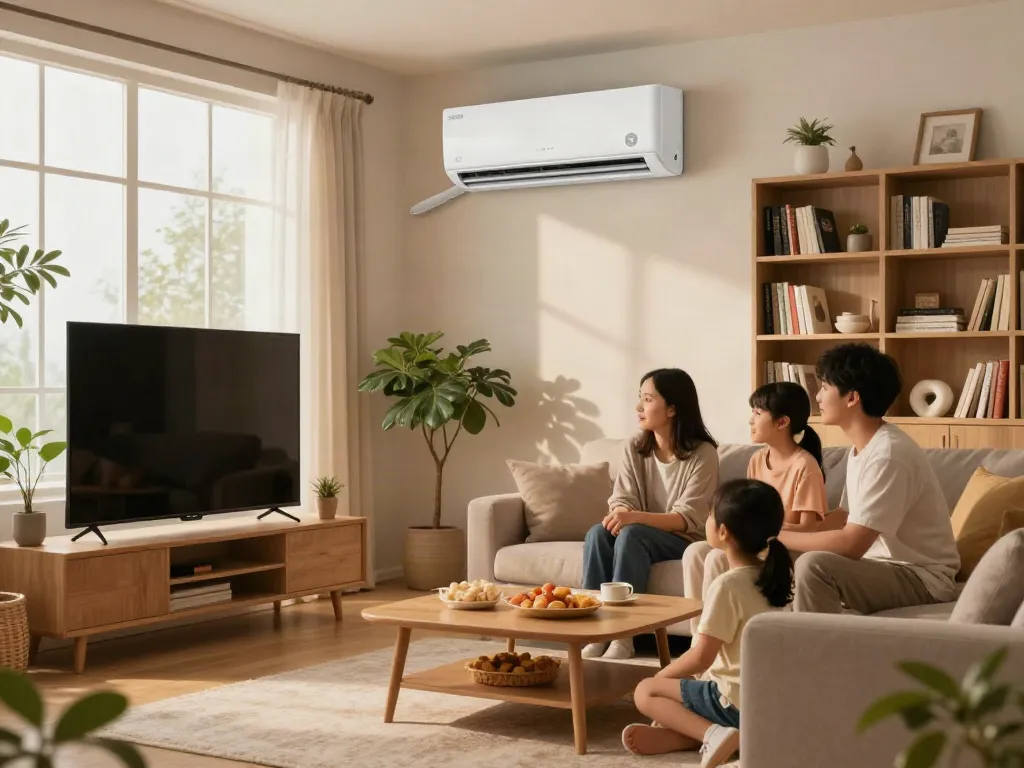
Understanding Mini Split Air Conditioners
As home comfort needs evolve, many homeowners are turning to innovative solutions that effectively balance efficiency and comfort. One such solution is the mini split air conditioner. This advanced system combines versatility with energy efficiency, making it an appealing choice for various residential and commercial spaces. In this article, we will explore the fundamentals of mini split air conditioners, their unique advantages over traditional systems, and how they can significantly enhance your indoor climate experience.
What is a Mini Split Air Conditioner?
A mini split air conditioner is a type of ductless heating and cooling system that consists of an outdoor compressor unit and one or more indoor air handling units. Unlike traditional central air conditioning systems, which rely on ductwork to distribute cooled or heated air throughout a building, mini splits effectively eliminate the need for ducts, thereby reducing energy loss significantly. This configuration not only improves energy efficiency but also offers greater flexibility in managing air distribution tailored to specific zones or rooms.
How Mini Splits Differ from Traditional AC Systems
When comparing mini split systems to conventional central air conditioners, several key distinctions emerge:
- Ductless Design: Traditional AC systems require extensive ductwork, which can lead to significant energy loss as cooled air travels through unconditioned spaces. Mini splits, being ductless, deliver air directly to where it's needed without losing efficiency.
- Installation Flexibility: Mini splits can be installed in various configurations, including wall-mounted, ceiling-mounted, and floor-mounted options, offering versatility that traditional systems cannot match.
- Individual Zone Control: With multiple indoor units connected to a single outdoor compressor, homeowners can customize temperatures in different areas, providing comfort on a room-by-room basis.
- Energy Efficiency: Mini splits typically have higher Seasonal Energy Efficiency Ratio (SEER) ratings than traditional systems, leading to lower utility bills and a reduced carbon footprint.
Key Components of Mini Split Systems
A mini split air conditioning system consists of several crucial components that work together to provide efficient cooling and heating:
- Outdoor Unit: This houses the condenser and compressor, which are responsible for releasing heat extracted from the indoor air.
- Indoor Unit: Often designed as wall-mounted units, these contain fans and coils to distribute conditioned air throughout the space.
- Refrigerant Lines: These insulated lines connect the indoor and outdoor units and allow the refrigerant to circulate, enabling heat exchange.
- Thermostat or Remote Control: Controls temperature settings and allows for easy operation of the system.
Benefits of Using Mini Split Air Conditioners
Homeowners considering mini split air conditioners can expect numerous benefits that make these systems an attractive option for both new installations and upgrades of existing heating and cooling setups.
Energy Efficiency and Cost Savings
One of the primary advantages of mini split air conditioners lies in their energy efficiency. These systems often achieve higher SEER ratings than traditional HVAC units, leading to substantial savings on energy bills. For instance, a typical mini split can operate at efficiencies of up to 30% higher than central air systems, translating to hundreds of dollars saved annually on cooling costs.
Flexibility and Ductless Design Advantages
The ductless design of mini splits offers both installation flexibility and aesthetic benefits. Unlike conventional systems that require invasive ductwork, mini splits can be installed in nearly any location, including homes without existing duct systems. This adaptability allows homeowners to cool or heat specific areas only when needed, reducing unnecessary energy consumption and leading to an overall more personalized climate control experience.
Enhanced Indoor Air Quality Benefits
Because mini split systems do not rely on ductwork, there is less chance of dust and allergens circulating in the home. Many models come equipped with advanced filtration systems that can trap particles and bacteria, improving indoor air quality. This feature is particularly beneficial for individuals with allergies or respiratory issues, as cleaner air leads to better overall health and comfort.
Installation Process for Mini Split Systems
Installing a mini split air conditioner is generally less complex than traditional HVAC systems, thanks to their compact design and ductless nature. However, proper installation is crucial to ensure maximum efficiency and performance.
Choosing the Right Location for Installation
When installing a mini split system, selecting the right location for both indoor and outdoor units is vital. Indoor units should be placed where airflow can effectively distribute throughout the space without obstruction. Outdoor units need to be installed in a shaded area to improve efficiency and lifespan while allowing for easy access for maintenance.
Required Tools and Equipment for Installation
Installing a mini split system typically requires specific tools and equipment, including:
- Drilling equipment for creating holes for refrigerant lines
- Leveling tools to ensure proper installation of indoor and outdoor units
- Wrenches and screwdrivers for secure connections
- Vacuum pump to remove moisture from the refrigerant lines
Steps for Professional Installation vs. DIY
While some homeowners may consider DIY installation, hiring a certified HVAC professional can ensure optimal performance and adherence to local building codes. Here are the general steps for both:
- Site Assessment: Evaluating potential locations for both indoor and outdoor units.
- Mounting Indoor Unit: Securing the indoor unit to the wall and connecting it to the refrigerant lines.
- Installing Outdoor Unit: Placing the outdoor unit on a stable surface with adequate airflow.
- Connecting Refrigerant Lines: Running lines from the indoor unit to the outdoor unit and making necessary connections.
- Test Operation: Checking for leaks and ensuring the system operates correctly before finalizing the installation.
Common Challenges and Solutions with Mini Splits
Despite their advantages, mini split systems can present certain challenges. Understanding these potential issues and their solutions is crucial for maintaining efficiency and comfort.
Addressing Noise Concerns
Some homeowners may worry about the noise generated by indoor units, particularly at higher settings. While most modern mini splits are designed to operate quietly, selecting units with low decibel ratings can further minimize sound. Additionally, placing indoor units away from bedrooms or living areas can help mitigate noise concerns.
Maintenance Tips for Longevity
To ensure the longevity and efficient operation of mini split air conditioners, regular maintenance is essential. Homeowners should:
- Clean or replace filters monthly during peak usage.
- Inspect the outdoor unit for debris and ensure proper airflow.
- Schedule annual professional maintenance checks to address any potential issues.
Resolving Common Operational Issues
Operational issues, such as inconsistent temperatures or refrigerant leaks, are not uncommon. Homeowners should monitor their systems for any irregularities and consult professionals for necessary repairs. Ensuring that the system is appropriately sized for the space is also crucial, as undersized units may struggle to maintain desired temperatures.
Future Trends in Mini Split Technology
As technology continues to evolve, so do mini split systems. Here are some anticipated trends in mini split technology for 2026 and beyond.
Advancements in Energy Efficiency Standards
With increasing demand for sustainable solutions, future mini split systems are expected to exceed current energy efficiency standards. Manufacturers are likely to invest in technologies that enhance energy conservation, such as variable-speed compressors that adjust output based on real-time cooling needs.
Integration with Smart Home Systems
As smart home technology matures, so too will the integration of mini split systems within these frameworks. Future models are likely to feature enhanced connectivity options, allowing homeowners to control their systems remotely via smartphones, optimize energy usage, and create tailored heating and cooling schedules that align with their lifestyles.
Predictions for 2026 and Beyond
Overall, the mini split air conditioning market will likely see a surge in popularity as both energy costs rise and consumers seek adaptable home climate solutions. Manufacturers will prioritize efficiency, user-friendliness, and environmental sustainability, aligned with the growing expectations of the eco-conscious consumer.
What are the advantages of mini split air conditioners?
The advantages of mini split air conditioners include energy efficiency, flexibility in installation, improved indoor air quality, and precise temperature control in designated zones. These features make them an ideal choice for modern households looking for effective climate control solutions.
How much does it cost to install a mini split air conditioner?
The cost of installing a mini split air conditioner varies depending on the size of the system, the number of indoor units, and the complexity of the installation process. Homeowners should expect to spend between $2,000 and $5,000 for a standard installation, but this can fluctuate based on specific requirements.
Can I install a mini split air conditioner myself?
While it is possible for experienced DIY enthusiasts to install a mini split system, it is generally recommended to hire a professional. Proper installation is critical for ensuring optimal efficiency, especially concerning refrigerant handling and compliance with local building codes.
What size mini split air conditioner do I need?
The appropriate size of a mini split air conditioner is determined by several factors, including the square footage of the area to be cooled, the number of windows, insulation quality, and local climate conditions. Consulting with a professional can help homeowners select the right unit for their needs.
What are the pros and cons of mini split systems?
Pros include high energy efficiency, flexible installation options, and improved air quality. Cons may involve the initial installation cost and potential noise from indoor units. However, the benefits often outweigh the drawbacks, making mini splits a preferred choice for many.