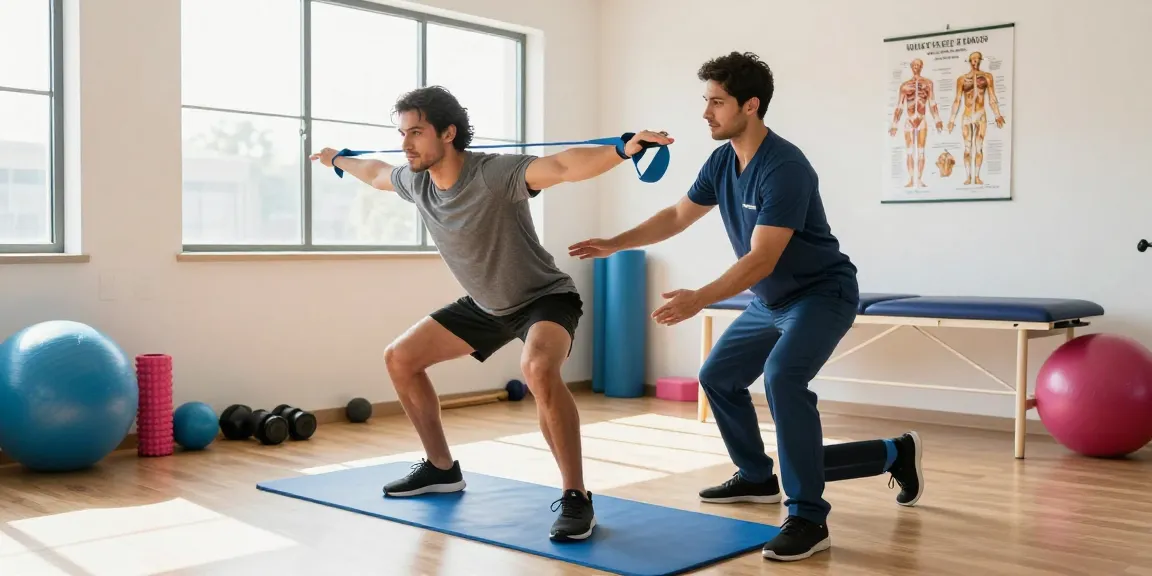
Understanding Sports Therapy in Burlington
Sports therapy plays a crucial role in enhancing athletic performance, preventing injuries, and facilitating recovery for athletes in Burlington and beyond. With the active lifestyle many residents embrace, including participation in various sports and recreational activities, the demand for professional sports therapy services is on the rise. Athletes of all levels, from casual sports enthusiasts to competitive professionals, seek therapies to ensure their bodies are conditioned for optimal performance and swift recovery from injuries. As you explore your options for Sports therapy burlington, understanding the fundamentals and benefits of sports therapy can help you make informed decisions about your health and wellbeing.
What is Sports Therapy?
Sports therapy is a specialized branch of physiotherapy that focuses on treating and preventing sports-related injuries. It combines rehabilitation techniques with specific practices aimed at enhancing sports performance. Sports therapists are trained to understand the physical demands placed on athletes and the typical injuries they encounter. This expertise enables them to create tailored rehabilitation programs that address individual needs, ensuring safe and effective recovery.
Importance of Sports Therapy for Athletes
The significance of sports therapy cannot be overstated, especially for athletes who push their bodies to the limits. Regular sessions with a sports therapist can aid in:
- Accelerating recovery from injuries through targeted rehabilitation strategies.
- Improving flexibility and strength to enhance overall performance.
- Implementing injury prevention techniques to help athletes avoid common injuries.
- Providing guidance on proper biomechanics and movement patterns.
For amateur and professional athletes alike, sports therapy is essential in maintaining peak physical condition and extending their careers.
Overview of Sports Therapy Services in Burlington
Burlington’s sports therapy scene offers a range of services tailored to meet the diverse needs of its athletic population. Clinics typically provide:
- Individualized assessment and treatment plans.
- Injury rehabilitation programs, including sports-specific training.
- Preventive care and education on self-management strategies.
- Support for post-surgery rehabilitation.
These services are designed not only for athletes but also for active individuals looking to improve their physical health and prevent injuries.
Common Injuries and Conditions Treated
Typical Sports Injuries Requiring Therapy
Sports injuries are unfortunately a common occurrence among athletes. Some typical injuries that often require therapy include:
- Sprains and Strains: Commonly affecting ligaments and muscles, these injuries often result from overexertion or incorrect movement.
- Tendinitis: Inflammation of the tendons typically caused by repetitive motions.
- Fractures: Bone breaks that can occur during high-impact activities.
- Shin Splints: Pain along the shin bone often experienced by runners.
Each of these conditions requires a specific therapeutic approach to ensure effective recovery and the return to sports.
Chronic Conditions Addressed by Sports Therapists
In addition to acute injuries, sports therapists also address chronic conditions that can hinder athletic performance:
- Osteoarthritis: Degeneration of joint cartilage that may result from long-term athletic wear and tear.
- Plantar Fasciitis: Inflammation of the tissue along the bottom of the foot, common among runners.
- Back Pain: Often stemming from posture or repeated physical stress, which can significantly impact an athlete’s capacity to perform.
Therapists use a combination of manual therapy, exercise rehabilitation, and education to help manage these conditions effectively.
Case Studies: Successful Rehabilitation Stories from Burlington
Success stories from local clinics highlight the effectiveness of sports therapy. For example:
- A high school runner recovering from a severe ankle sprain successfully returned to competition after a 6-week customized rehabilitation program that included mobility exercises, strength training, and gradual return-to-sport protocols.
- Another athlete, a competitive cyclist, utilized sports therapy to address chronic knee pain, incorporating exercises and modality treatments that enabled him to compete in the local cycling events pain-free.
These examples illustrate that with the right therapy, athletes can overcome injuries and continue their sports journeys.
Techniques and Modalities Used in Sports Therapy
Manual Therapy Techniques Explained
Manual therapy is a cornerstone of sports therapy, involving hands-on techniques aimed at improving tissue mobility and promoting healing. Key techniques include:
- Joint Mobilization: Deliberate movement of joints to restore function and reduce pain.
- Soft Tissue Massage: Techniques focused on loosening tight muscles and fascia.
- Myofascial Release: Targeting the body’s connective tissue to relieve tension and improve flexibility.
These approaches not only alleviate pain but also enhance athletic performance by improving range of motion and reducing recovery time.
Use of Equipment in Sports Rehabilitation
Incorporating equipment into therapy can enhance rehabilitation outcomes significantly. Common tools include:
- Resistance Bands: Ideal for building strength and endurance.
- Balance Boards: Useful for developing proprioception and stability.
- Ultrasound and Electrical Stimulation Devices: Employed to reduce pain and facilitate tissue repair.
By utilizing these tools, therapists can tailor programs that address specific injuries and functional limitations.
Innovative Therapies Emerging in 2026
As we look toward the future, several innovative therapies are beginning to emerge in the field of sports therapy, including:
- Teletherapy: Remote sessions that allow athletes to engage in therapy from anywhere.
- Virtual Reality (VR) Rehabilitation: Using VR technology to simulate sports scenarios and enhance training.
- CRISPR Technology: Genetic editing tools that may help to repair tendon and ligament injuries on a cellular level, representing a futuristic approach to rehabilitation.
These advancements can potentially revolutionize the way sports therapy is delivered, ensuring more personalized and effective treatment options.
Choosing the Right Sports Therapist in Burlington
Essential Qualifications and Certifications
When selecting a sports therapist, consider their qualifications and experience. Look for professionals who are:
- Licensed physiotherapists with additional certifications in sports therapy.
- Members of recognized professional bodies, ensuring they adhere to industry standards and ongoing education.
- Experienced in treating your specific sport or injury type.
Such credentials can indicate their competence and commitment to high-quality care.
Factors to Consider When Selecting a Therapist
Beyond qualifications, various factors play a role in choosing the right therapist:
- Communication Style: Ensure the therapist communicates effectively and listens to your concerns.
- Location and Accessibility: Consider the convenience of the clinic’s location and its operating hours.
- Personal Rapport: A good relationship can enhance the therapeutic experience.
Finding a therapist who meets your personal preferences and needs is essential for successful rehabilitation.
Local Insights: Top Sports Therapists in Burlington
Burlington is home to several highly regarded sports therapy clinics. Some well-known providers include:
- Fit For Life Physiotherapy: Known for personalized care and evidence-based practices.
- Burlington Sports Medicine Clinic: Offers a multidisciplinary approach to athlete care.
- Peak Performance Physiotherapy: Focuses on rehabilitation and performance enhancement through tailored programs.
Researching local providers and seeking recommendations can help you select the best fit for your sports therapy needs.
Future Trends in Sports Therapy
Predicted Developments in Rehabilitation Practices
As we advance toward 2026, several trends are anticipated to shape the sports therapy landscape:
- Increased Integration of Technology: Expect more clinics to adopt wearable technology that tracks recovery and performance metrics.
- Emphasis on Mental Health: The connection between physical rehabilitation and mental well-being is gaining recognition, leading to more holistic approaches.
- Collaborative Care Models: Interdisciplinary teams will likely become a standard, offering comprehensive care that includes physiotherapy, nutrition, and psychological support.
These developments will ultimately enhance the efficacy of sports therapy and improve patient outcomes.
The Role of Technology in Enhancing Sports Therapy
Technology’s role in sports therapy is growing, with tools like:
- Apps for Tracking Progress: Patients can monitor their recovery stages and communicate with therapists through dedicated apps.
- Telehealth Platforms: Allowing for immediate access to consultations and follow-ups regardless of physical location.
- Data Analytics: Therapists can analyze performance data to tailor treatment plans more effectively.
These innovations are set to revolutionize the therapeutic experience, making care more accessible and responsive to individual needs.
Preparing for Changes in 2026 and Beyond
To adapt to future changes in sports therapy, athletes should embrace continuous learning and be open to new treatment modalities. Staying informed about emerging trends and being proactive in seeking therapy will ensure optimal performance and recovery.
What should I expect during my first sports therapy session?
Your first session will typically focus on assessment. Therapists will review your medical history, perform physical evaluations, and discuss your specific goals. A personalized treatment plan will be developed based on this assessment.
How long does a typical sports therapy program last?
The duration of a sports therapy program can vary greatly depending on the injury’s severity and individual response to treatment. Many programs last anywhere from a few weeks to several months, with sessions typically occurring once or twice a week.
Are sports therapy treatments covered by insurance?
Many insurance plans do cover sports therapy treatments, but it’s essential to check with your provider. Coverage can vary based on the therapist’s qualifications and the nature of the treatment.
What exercises can I do at home to complement my therapy?
Your therapist may recommend specific exercises tailored to your condition. Common home exercises include stretching, strengthening routines, and balance training, all designed to complement your therapy.
How can sports therapy help prevent future injuries?
Through personalized exercise programs, education on body mechanics, and injury prevention strategies, sports therapy can significantly reduce the risk of future injuries, enabling athletes to maintain their activity levels safely.